On this page
- The Auto-Apply Category: Browser Extensions, Copilots, and Application Loops
- Where Self-Serve Tools Perform Well
- The Hidden Work Left on the Candidate’s Plate
- How a Tech-Enabled Career Marketing Service Operates
- The Four-Step Onboarding Architecture
- The 17-Step Campaign Engine in Detail
- Comparing Nainly vs Auto-Apply Tools Side by Side
- The Canadian Hiring Market and Why Delivery Model Matters
- Candidate Effort: Hands-On Configuration vs Managed Execution
- What Running an Auto-Apply Tool Actually Entails
- What a Managed Career Marketing Campaign Looks Like
- Tapping Unadvertised Openings vs Relying on Public Job Boards
- Understanding the True Economics: Free Tools, Subscriptions, and Custom Scoping
- Who Should Choose Self-Serve AI Auto-Apply Tools
- Who Should Choose a Done-for-You Career Marketing Campaign
- Structuring Your Search for the Long Run
- In brief
- Key takeaways
- Frequently asked questions
If you have spent any time looking for work across Canada recently, you know how quickly the routine has changed. Submitting a resume manually to five or ten postings a week used to feel like a steady, reasonable approach. You read the description, tweaked a few bullet points, wrote a polite cover letter, and waited for a recruiter in Calgary, Toronto, or Vancouver to get back to you.
Now, an opening for an intermediate role on major job boards can attract hundreds of submissions within the first forty-eight hours. Many of those initial submissions come from automated systems sending resumes around the clock. By Monday morning, a hiring manager logging into an applicant tracking system is rarely reviewing twenty thoughtful packages; they are looking at a flood of incoming profiles.
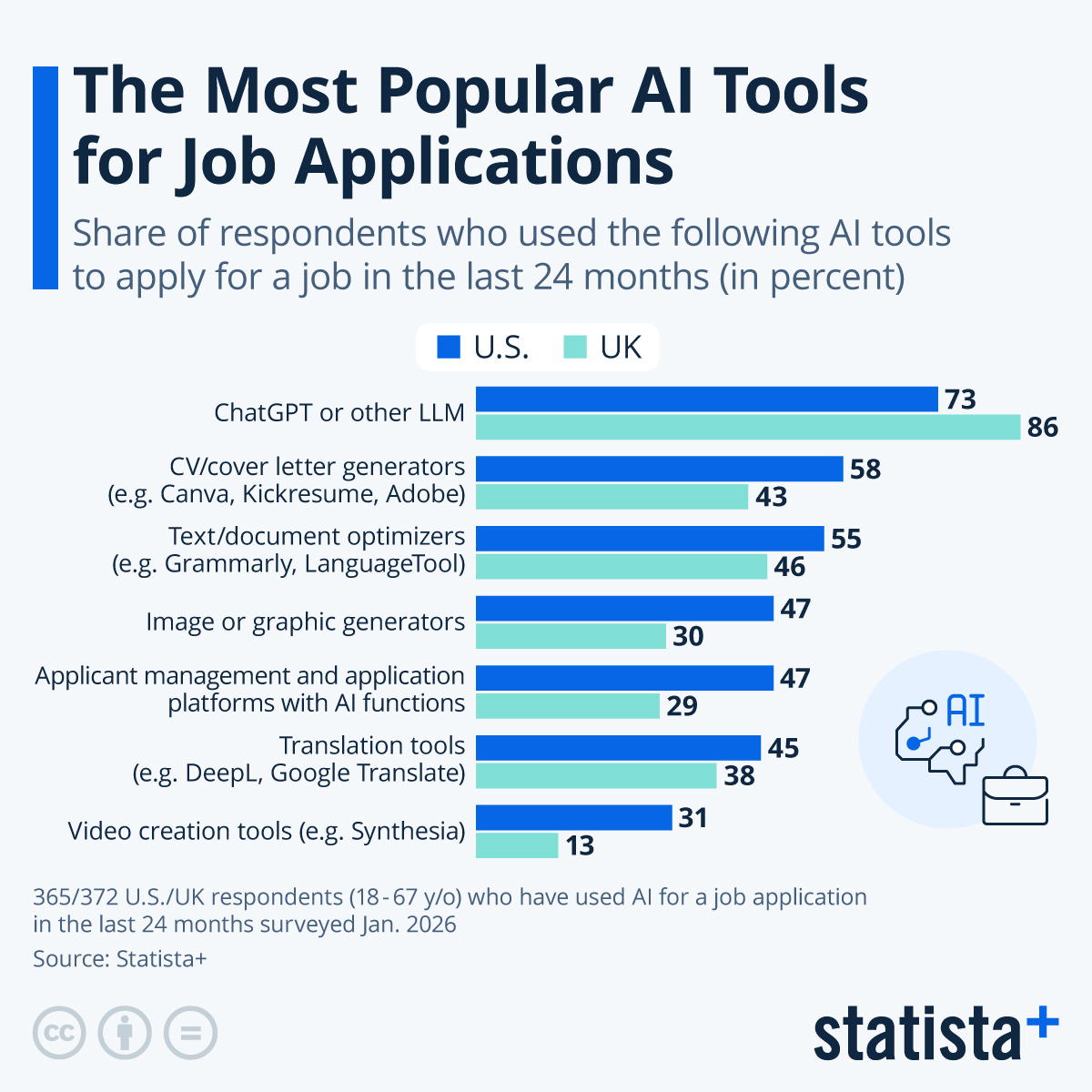
Because software now handles applicant screening, candidates started adopting software to handle submissions. That shift split the job search automation market into two distinct models.
On one side is self-serve AI auto-apply software. These are tools you buy or install yourself, including browser extensions, cloud platforms, and algorithmic application loops that fill out online forms in your browser.
On the other side is a managed career marketing campaign. Nainly built this alternative approach from Calgary, Alberta. A dedicated human team works alongside proprietary automation technology to assess your materials, rebuild your positioning, distribute applications, and introduce you directly to verified decision-makers.
Choosing between Nainly vs auto-apply tools comes down to understanding the structural difference between generating automated volume on public web portals and running a managed campaign across a regional market. The mechanics, the required time commitment, and the candidate experience are entirely different.
The Auto-Apply Category: Browser Extensions, Copilots, and Application Loops
Self-serve auto-apply platforms were built to address a specific operational hurdle: copying and pasting work history into repetitive application fields across dozens of corporate portals. Anyone who has spent a weekend filling out thirty Workday forms recognizes that fatigue, which explains why this software category expanded so rapidly.
The tools in this category generally take one of three technical approaches. Some operate as browser extensions that populate fields on job boards while your browser session remains active. Others function as cloud copilots, processing your profile and sending submissions from external servers according to your criteria. A third group relies on looping engines that monitor job listings and generate template-based submissions as soon as a matching role appears.
Across each model, the user remains the primary operator. You create the account, supply the baseline resume, fill out your career details, choose target job titles, and establish geographic boundaries. Once your profile is in place, the software handles the mechanics of document delivery.
Public product documentation outlines how several well-known tools configure this workflow.
AIApply describes itself on its website as an AI-powered job search copilot. As of its published platform documentation, it features resume and cover letter generators, interview practice tools, and an auto-apply feature that operates using application credits. You purchase credits, specify the positions you want, and let the system draft materials and route submissions to active listings.
LazyApply approaches the task through browser automation. According to its website, LazyApply is an AI job tool that applies to listings across platforms such as LinkedIn, Indeed, ZipRecruiter, Dice, and Greenhouse using a Chrome extension. It operates on your local computer, filling out employer forms up to the daily submission caps tied to your account tier.
Massive positions itself as your job search on autopilot. According to its site, the software identifies job matches daily, creates custom resumes and cover letters for each specific role, and routes incoming application messages into a dedicated internal inbox so your personal email does not get overrun.
LoopCV focuses on programmatic automation loops. On its public website, LoopCV explains that users configure automation loops by selecting job titles, locations, and search filters. The platform then submits applications across job boards and sends template-based direct messages to contacts at target companies, offering both fully automated and hybrid review modes.
You can inspect detailed, point-by-point breakdowns of how each of these platforms compares directly to a managed campaign on Nainly’s compare directory.
Where Self-Serve Tools Perform Well
Self-serve software offers practical advantages for searches that prioritize immediate activation and direct personal control.
First, launch speed is immediate. You do not schedule intake conversations, attend onboarding reviews, or trade revision notes. If you begin a search on a Tuesday afternoon, you can register for a platform, input your background, and run automated submissions by evening.
Second, pricing is clear and accessible. Many tools provide free entry tiers with basic daily submission limits, alongside subscription tiers that expand application caps or supply credit packages. For candidates managing a cautious budget who prefer software over a full-scope managed service, an inexpensive software subscription provides practical utility.
Third, candidates retain full administrative control. If you decide to target junior data analyst openings in Edmonton early in the week, pivot to hybrid tech sales roles in Calgary on Thursday, and pause submissions entirely on Friday, you simply adjust your dashboard filters. You manage the schedule and decide when to engage.
The Hidden Work Left on the Candidate’s Plate
Self-serve software executes the inputs you provide. Its website does not describe evaluating whether those materials fit the expectations of Canadian hiring managers or specific regional industries. If a submitted resume carries formatting that confuses automated parsers or lacks clear Canadian context, the software delivers that document across your selected targets without changes. It handles delivery, while strategic positioning remains your responsibility.
Browser extensions also involve ongoing manual monitoring. Career sites frequently adjust user interfaces, screening questions, and security verifications. Whenever an extension encounters an unfamiliar dropdown, an unmapped compliance question, or a CAPTCHA prompt, the automation pauses until you resolve it. Candidates regularly spend time supervising the software, clearing interface roadblocks, and confirming that submissions completed as expected.
In addition, auto-apply platforms operate almost exclusively through public applicant portals. They route submissions into public front-door pipelines where volume is highest. In competitive job markets where single postings gather hundreds of applicants within days, public queues can become backlogged, leaving submissions subject to the screening capacity of hiring teams.
How a Tech-Enabled Career Marketing Service Operates
A tech-enabled career marketing service runs your job search like an outbound agency campaign. Nainly pairs proprietary automation with an experienced team that executes the campaign for you.
Headquartered in Calgary, Alberta, Nainly works with professionals across Canada in technology, healthcare, skilled trades, sales, business operations, and administrative functions. The service operates on a practical division of labour: software handles the heavy data matching and high-volume distribution, while human career specialists manage positioning, messaging, and overall quality control. You avoid the tedious chores of configuring browser extensions, fixing scrapers, or writing generic cover letters. A dedicated team takes care of the operational pipeline so you can focus your time on interview preparation.
The Four-Step Onboarding Architecture
Every campaign at Nainly begins with structured preparation before any outreach launches:
- Consultation: You meet with the team to establish clear career targets, preferred industries, compensation goals, and geographic parameters across Canadian markets.
- Assessment: A career specialist conducts a thorough evaluation of your professional history, reviewing documented achievements, transferable skills, and structural gaps in your background.
- Resume Writing: A professional writer rebuilds your resume from the ground up, adjusting structure, phrasing, and keyword density for the applicant tracking systems common among mid-market and enterprise Canadian employers.
- Campaign Launch: Proprietary automation tools take the approved documents and initiate coordinated distribution across selected target channels.
The 17-Step Campaign Engine in Detail
Behind that four-step onboarding sits an operational engine combining proprietary technology with direct human supervision. Nainly structures this work into seventeen distinct steps:
- Intake and Expert ATS Rewrite: You bypass the frustration of reformatting Word files yourself. A specialist writer overhauls your resume so it parses cleanly through automated screeners while presenting a compelling narrative to human decision-makers.
- Algorithmic Opportunity Matching: Proprietary matching algorithms monitor Canadian job boards and databases for active postings matching your experience level and career direction.
- Dynamic Material Tailoring: For each relevant position found, the system incorporates specific keywords from the posting and pairs the updated resume with a tailored cover letter.
- High-Volume Application Scaling: The platform submits applications systematically across verified openings, which removes the need to fill out repetitive online forms by hand.
- Account Identification: The engine maps each verified posting back to the operating corporate entity behind it, analyzing company structure rather than treating listings as isolated web links.
-
The Four-Tier Research Waterfall: To reach past automated job board filters, a research sequence locates specific contacts within the prospective employer:
- First Tier: Dedicated hiring managers and internal talent acquisition leads.
- Second Tier: Department managers and functional directors overseeing the target team.
- Third Tier: Senior executive leadership.
- Fourth Tier: Peer team members and internal colleagues.
- Data Verification: Contact records come from public business directories, and every individual email address undergoes verification before any note leaves the server. According to Nainly’s site, typically 70 to 80 percent of identified contacts are verified decision-makers.
- Timed Multi-Touch Outreach: The system executes an automated sequence of five professional touchpoints over thirty days (sent on Day 0, Day 5, Day 14, Day 21, and Day 30).
- Dedicated Campaign Infrastructure: Outreach messages go out under your name from a dedicated campaign email address created specifically for your project, shielding your primary personal inbox from deliverability snags and clutter.
- Automated Sequence Pausing: The instant an employer responds to an outreach email, the automation system stops future follow-ups for that company so all continuing communication remains personal.
- Relevance Filtering and Inbox Management: Nainly’s dedicated team monitors your campaign inbox on a daily basis. They filter out automated replies, standard rejection notices, and system noise, sending genuine interview invitations and questions directly to your personal email address.
- Unadvertised Market Discovery: The system flags companies matching the profiles of organizations currently hiring in your field, launching a four-touchpoint outreach sequence over twenty-one days even when no public job posting is listed.
- Progress Reporting: You receive clear campaign updates detailing outreach volume, contact engagement, and inbound responses.
According to Nainly’s site, campaigns achieve an average distribution reach of 2,800+ per campaign, yield a 94% average resume score after optimization, and save clients an average of 100+ hours, with strategies customized across 19+ distinct career roles over an average campaign duration of about five weeks.
The practical impact of this structure shows up in inbound communication. Nainly’s site displays real, redacted interview requests received across active campaigns, including invitations from prominent national employers such as Loblaw Companies, Circle K, TTEC, and Canadian Appliance Source.
If you want to see how these campaign steps assemble into a daily workflow, read our breakdown of how Nainly works.
Comparing Nainly vs Auto-Apply Tools Side by Side
Evaluating Nainly alongside auto-apply tools comes down to how work gets divided. Auto-apply products give you software to configure and supervise on your own computer, whereas Nainly uses a dedicated team to manage your campaign.
The comparison table below details how both models handle the core operational steps of an active Canadian job search.
| Feature / Dimension | Self-Serve AI Auto-Apply Tools (AIApply, LazyApply, Massive, LoopCV) | Managed Career Marketing Campaign (Nainly) |
|---|---|---|
| Service Model | Self-serve software. You create an account, install an extension or configure web loops, and operate the tool yourself. | Done-for-you campaign execution. A dedicated team and proprietary automation technology run the process from start to finish. |
| Materials Tailored Per Application | Generative AI drafts cover letters or adjusts resume bullet points based on templates and user prompts. | Professional ATS-optimized resume rewrite by a specialist, with tailored cover letters and keyword alignment for every role. |
| Human Review | None. Submissions and generated text fire directly from the software without professional editorial review. | Yes. A dedicated team reviews your materials, monitors match relevance, and oversees campaign deliverability. |
| Targeted Outreach to Decision-Makers | Limited or absent. Most tools submit strictly to public ATS portals; some looping tools send template cold emails. | Yes. A four-tier research waterfall identifies hiring managers and directors, delivering five timed touchpoints over 30 days. |
| Campaign Inbox | Most tools route all traffic directly to your personal inbox; a few provide a proprietary software inbox you must monitor. | Dedicated campaign address created specifically for you. A team filters replies and forwards genuine opportunities. |
| Where the Work Runs | On your local computer via browser extension, or on the vendor’s cloud server via credits and scheduled loops. | Cloud-based proprietary automation infrastructure managed entirely by Nainly’s campaign specialists. |
| Market Focus | Broad global job board aggregation, generally dominated by US tech listings and large multi-national portals. | Tailored to the Canadian employment ecosystem across major metros, regional hubs, and targeted national sectors. |
| Candidate Effort Required | High initial and ongoing effort. You write the base resume, configure filters, supervise bot behavior, and clear errors. | Low. You attend an initial consultation and review draft materials; the team handles technical distribution and inbox monitoring. |
| Pricing Approach | Free tiers or paid subscriptions based on monthly billing, credit packs, or per-submission usage fees. | Scoped individually based on career profile during a free consultation call; manageable monthly payments starting after launch. |
The Canadian Hiring Market and Why Delivery Model Matters
Canadian hiring teams have adjusted their approach to recruitment over recent years. Monthly labour market figures published by the Government of Canada show that hiring activity across several major commercial sectors has stabilized into a cautious, measured rhythm. Following post-pandemic staffing surges, employers take more time to review candidates, screening applicant pools closely and seeking close matches with posted role requirements. You can inspect these changing occupational patterns through the Government of Canada Job Bank trend analysis portal, which tracks regional hiring volumes and wage trends across the provinces.
Independent research groups have documented a similar mood among Canadian employers. In its annual labour analysis, Indeed Hiring Lab Canada pointed out that the employment climate across the country has settled into a slower, more deliberate cadence:
The labour market was soft but fairly stable amid a tumultuous 2025 for the Canadian economy. Forecasts project a moderate pickup in GDP growth in 2026, which suggests a modest decline in unemployment and more stable job vacancies in the year ahead.
When public job vacancies stabilize while the working-age population expands, competition for each published role naturally intensifies. In its monthly statistical releases, Statistics Canada tracks this balance through ongoing monitoring of regional participation rates and payroll movements:
The Labour Force Survey estimates reflect labour market conditions across provinces, with monthly estimates showing how employment trends evolve over longer periods across different sectors.
As more job seekers use automated generative tools to submit applications to standard job boards, corporate recruiters frequently respond by adjusting their automated screening thresholds. When an employer receives three hundred resumes that share similar phrasing, structural patterns, and generic summaries, screening systems filter out entries that lack specific verification. Our review of AI in hiring in Canada examines how Canadian organizations evaluate incoming files under these conditions.
This hiring environment illustrates the practical distinction between self-serve software and managed campaign delivery. A browser extension allows a candidate to dispatch five hundred applications quickly by circulating an existing file across multiple job boards, which provides broad reach with minimal setup. A managed service focuses on candidate positioning and document calibration before any application leaves the desk. Presentation details matter in a crowded queue. For example, deciding whether an applicant should submit a one-page vs two-page resume in Canada directly affects parsing readability and recruiter review times. While automated software submits whatever PDF is loaded onto its dashboard, a managed team refines those structural elements to fit the expectations of hiring managers.
Candidate Effort: Hands-On Configuration vs Managed Execution
Job seekers frequently look into auto-apply software when fatigue sets in. Looking for work while balancing a demanding job or family responsibilities in an expensive Canadian city takes real stamina.
When software promises to submit thousands of applications with a single click, it naturally sounds like an effortless fix. In practice, running self-serve automation tools requires you to act as your own system operator.
What Running an Auto-Apply Tool Actually Entails
Operating a browser extension or cloud-based tool creates a routine built around administrative maintenance.
First, you have to establish and refine your search criteria. Setting your filters too broadly leads the tool to submit applications for junior internships or senior vice-president positions that do not fit your background. Setting those filters too strictly can cause the software to exhaust every matching post in twenty minutes, leaving the run unfinished.
You also need to supervise browser activity during live submissions. Extensions that fill web forms interact directly with dynamic company career pages. If an employer swaps a standard text field for a radio button, the automation can pause unexpectedly. That means sitting by your screen to solve CAPTCHAs, correct misplaced form inputs, and log back in when session cookies expire.
Then there is the volume in your inbox. After a tool dispatches hundreds of submissions across dozens of job boards, your primary email receives a heavy stream of automated confirmations, recruitment newsletters, standard rejection notices, and occasional employer replies.
Reviewing two hundred transactional emails each morning to spot a note from a hiring manager takes substantial time. If an actual interview request gets buried under fifty automated confirmation receipts, the volume works directly against your schedule.
What a Managed Career Marketing Campaign Looks Like
With a tech-enabled service like Nainly, your routine looks quite different because a dedicated team handles that digital workload for you.
Once your consultation wraps up and a specialist evaluates and rewrites your resume, day-to-day execution shifts over to Nainly’s team and cloud technology. You do not need to keep browser tabs open, fix misaligned form fields, or solve verification prompts.
The technical system runs in the cloud, identifying relevant job postings, adapting cover letters with targeted keywords, and managing application distribution.
Campaign outreach runs through a dedicated email address created specifically for your job search.
Nainly’s team screens the responses that arrive at that campaign address. Automated out-of-office replies, standard rejections, and portal marketing messages are filtered out at the campaign level. When a hiring manager or talent director reaches out to check your availability, the team flags that message and forwards it straight to your personal inbox.
You can spend those three hours every evening researching companies, polishing your interview answers, and resting your mind. The managed model takes application logistics off your plate, saving hundreds of hours across your search.
Tapping Unadvertised Openings vs Relying on Public Job Boards
A major operational distinction between Nainly and self-serve auto-apply tools comes down to where your materials are sent.
Auto-apply software is built to interact with public postings. It tracks boards such as Indeed, LinkedIn, and Glassdoor, as well as corporate career pages, submitting resumes wherever there is an open requisition and an online form to complete.
Public listings draw intense volume. When an administrative, sales, or technical job goes live in a competitive market like Calgary or Toronto, hundreds of job seekers often review and apply within hours. Yet a substantial amount of hiring happens before an opening ever reaches a job board. Teams experience turnover, leadership approves headcount for new projects, or department heads notice their staff is burning out. In those early stages, managers frequently search for qualified people through internal referrals, existing talent pools, and direct professional introductions.
Standard auto-apply software cannot participate in that part of the market. If an opportunity does not have a web address and an apply button, a browser extension has nothing to process.
Nainly builds automated targeted outreach directly into how it runs a search. Its system applies a four-tier research waterfall to identify organizational decision-makers. For individuals targeting roles as project managers or technical specialists, the process locates the people who lead those groups: talent leads, engineering directors, operations vice-presidents, and senior executives.
Contact information is gathered from public sources, verified for deliverability, and engaged through five professional, timed touchpoints across thirty days. Every note is polite, relevant, and sent from your dedicated campaign address.
The platform also uses artificial intelligence to evaluate organizations that fit your career background, initiating introductory outreach across four touchpoints over twenty-one days, even when an employer has posted no active openings.
Presenting your credentials directly to hiring managers before an opening is advertised bypasses the standard applicant tracking system queue. You avoid sitting as candidate #412 in a portal, arriving in a manager’s inbox at the moment they may be considering a hire.
To learn more about the mechanics of direct executive messaging, review how Nainly structures automated targeted outreach across multiple Canadian industry sectors.
Understanding the True Economics: Free Tools, Subscriptions, and Custom Scoping
Pricing models usually show you how a platform is built behind the scenes.
Self-serve auto-apply tools run on standard software-as-a-service economics, where low subscription fees rely on high user volume. Most provide a free trial or an entry tier with daily application caps. Access to larger submission volumes, extra job boards, or AI cover letter generation requires a paid monthly subscription or recurring credit packs.
Because software incurs minimal marginal cost per user once deployed, those vendors keep their service automated. You will not find one-on-one strategy sessions, tailored resume writing, or human campaign reviews included with an account. Troubleshooting submission quality or platform account blocks generally happens through a knowledge base or an automated support chat.
A managed career marketing service operates on a different economic foundation. Nainly pairs proprietary automation with human specialists, tailored document creation, and active inbox monitoring.
Campaigns are scoped individually around your specific background, target seniority level, industry sector, and geographical market. You review your work history and campaign objectives during a free consultation call. Billing begins later in the process and is split into manageable monthly amounts to avoid heavy upfront commitments. A dedicated team handles the search and application process directly, keeping the configuration work off your plate.
If you are curious about broader macroeconomic shifts and how they affect hiring across Canadian regions, our review of recent job vacancy trends in Canada breaks down the national data.
Who Should Choose Self-Serve AI Auto-Apply Tools
Different job searches call for different setups. Self-serve auto-apply tools like AIApply, LazyApply, Massive, or LoopCV make plenty of sense under the right conditions.
These platforms are generally a good fit if:
- You are on an extremely tight budget: When hiring professional career help is out of reach, an inexpensive software subscription or a free tier with daily application limits lets you submit more applications without taking on extra financial pressure.
- Your resume is already flawless: If you know how Canadian applicant tracking systems parse keywords and you have already structured your achievements effectively, you likely do not need someone to rewrite your materials. A tool that handles repetitive data entry is enough.
- You enjoy managing software workflows: If you like adjusting search filters, refining prompts in cover letter generators, and keeping browser extensions running smoothly, a self-serve platform puts you in full control of every setting.
- You are applying for broad, entry-level roles: For entry-level retail, hospitality, or customer support positions where hiring relies heavily on sheer volume, circulating standardized resumes across national job boards can produce steady callbacks.
- You have ample free time: When you have a few hours each day to monitor automated submissions, solve CAPTCHAs, and sort through the resulting email notifications, handling the ongoing upkeep yourself is manageable.
Who Should Choose a Done-for-You Career Marketing Campaign
A managed campaign suits professionals who want comprehensive market exposure while staying focused on their current work and personal commitments.
A service like Nainly fits best when:
- You are an active professional with limited time: If you are currently working, leading a demanding project, or managing family responsibilities, you likely lack twenty hours a week to sit at a screen overseeing automated application tools. Having a dedicated team run the campaign in the background frees up that time.
- You are targeting mid-career, senior, or specialized roles: In sectors such as engineering, finance, health administration, sales leadership, or specialized trades, Canadian hiring managers pay close attention to specific achievements, leadership track records, and career progression. Generic templates and unreviewed resumes rarely convey the depth these decision-makers expect.
- You want to bypass the public job board crowd: When you prefer not to rely solely on public applicant tracking portals, a structured outreach campaign can introduce your profile directly to department managers and corporate executives.
- You want your materials crafted by human professionals: You might prefer having an experienced writer review your work history thoroughly, producing an ATS-optimized resume that parses accurately while still reading persuasively to human leaders.
- You value a clean, organized search process: If you want to protect your personal inbox from hundreds of automated submission confirmations and system notifications, having a separate campaign address and a team filtering for genuine opportunities keeps everything orderly.
Nainly is a tech-enabled career marketing service, not a recruitment company, and it does not promise specific outcomes; results depend on many factors, including market conditions and individual qualifications.
Structuring Your Search for the Long Run
Choosing between Nainly and auto-apply software comes down to how you want to position yourself in the hiring market.
Self-serve tools focus on volume across public job boards, submitting applications through online portals until an employer responds. For job seekers at earlier career stages or in broad applicant pools, that automated volume offers a quick and practical route into the market.
A managed career marketing campaign takes a different angle, approaching the search like an executive launch. It pairs automation to handle volume with human specialists who review materials against Canadian hiring expectations. Nainly rebuilds your resume for ATS algorithms, tailors application documents, messages verified decision-makers directly across five timed touchpoints, and tracks your inbound responses. That setup shifts hundreds of hours of administrative labour off your desk while expanding where your profile gets seen.
Your choice depends on your daily schedule, your target seniority, and how much time you want to spend configuring software. Setting up your own automated loops and working with a dedicated campaign team are two distinct ways to solve the same problem: moving past manual submissions and distributing your candidacy systematically across Canada.
Key takeaways
6
- Self-serve auto-apply platforms rely on the user to configure settings, provide baseline resumes, and resolve interface interruptions during form submissions.
- Auto-apply tools offer fast launch speeds, direct user control, and accessible pricing options through free tiers or paid subscriptions.
- Public job portal queues often become crowded with automated submissions, which can delay recruiter reviews during cautious hiring periods.
- Nainly pairs proprietary automation with a human team that rewrites resumes, identifies hiring managers, and sends multi-touch outreach sequences.
- Campaign teams monitor dedicated inboxes to remove rejection notices and automated replies, forwarding only verified interview requests to candidates.
- Self-serve tools suit candidates managing small budgets or broad applications, while managed campaigns support experienced professionals targeting specific roles.
Frequently asked questions
5
What is the difference between Nainly and AI auto-apply tools?
Nainly provides a managed service run by career specialists, while AI auto-apply tools provide self-serve software that candidates configure and supervise themselves. Self-serve products like AIApply, LazyApply, Massive, and LoopCV submit applications to public postings from the user's browser or account. Nainly rebuilds application materials, targets company decision-makers through a multi-touch email sequence, and monitors incoming messages so job seekers do not have to filter high-volume inbox traffic.
How do self-serve AI auto-apply tools work?
Self-serve auto-apply tools automate data entry on job boards through browser extensions, cloud copilots, or algorithmic looping engines. Candidates set up an account, upload a baseline resume, select target job titles, and define geographic filters. Tools such as LazyApply run through a browser extension to fill out employer portals, while platforms like LoopCV and Massive generate template materials and schedule automated submissions. Users remain responsible for resolving interface prompts, CAPTCHAs, and system errors.
How does Nainly identify employer decision-makers?
Nainly identifies corporate contacts using a four-tier research sequence that maps published job listings back to the operating business entity. The sequence locates hiring managers and talent acquisition leads first, followed by department managers, executive leaders, and peer team members. Contact email addresses are collected from public business directories and verified before messages are sent. Nainly reports that typically 70 to 80 percent of these identified contacts are verified decision-makers.
Why do auto-apply tools create heavy inbox traffic for job seekers?
Auto-apply tools generate high inbox volume because automated submissions trigger confirmation emails, rejection notices, and marketing messages from dozens of employer portals. Most self-serve platforms route all incoming system notifications directly to the candidate's personal email address. Users must manually review hundreds of messages each morning to check whether an employer sent an actual interview request. In contrast, Nainly routes outreach through a dedicated campaign address where specialists filter out automated replies.
When should a candidate choose a managed campaign over auto-apply software?
Candidates should choose a managed campaign when they lack the time to manage software and need materials tailored for specialized or senior positions. Professionals balancing demanding jobs or family commitments benefit from having a team handle document optimization, submission tracking, and employer communications. Managed campaigns also suit applicants who want to reach hiring managers directly rather than relying exclusively on public applicant tracking system queues that attract hundreds of automated submissions.
Upcoming career fairs
Career fairs in Calgary
Fall 2026 Calgary Job Fair Celebrating Inclusion
- In person
- Free
Education Career Fair
- In person
Winter Career Fair
- In person
Listings are gathered each month from public event pages. Confirm the details with the organizer before you go.
More From the Blog
Stelco Hamilton Idling: What It Means for Manufacturing Jobs in Ontario
Stelco's idling of Hamilton Works puts hundreds out of work. Here is what it means for manufacturing jobs in Ontario, worker rights, and...
Read the articleJob Fairs and Hiring Events in Ottawa, Cornwall and Toronto This October
Find upcoming hiring events and career fairs Ottawa, Cornwall, and Toronto job seekers can attend this fall, with key dates, venues, and...
Read the articleApple Support Cut Freeze: What It Means for Support Roles in Canada
Apple halted 5,000 support layoffs after AI hit limits. Here is what it means for support roles in Canada and how to position your...
Read the articleReady to Launch Your Career Marketing Campaign?
Book a strategy call and see how Nainly can transform your job search.
Schedule a CallFree consultation. No commitment.