On this page
- How We Ranked These Job-Search Pathways
- 6. Target Specialized Subcontractors for Niche Work Packages
- 5. Connect with Indigenous Joint Ventures and Regional Employment Initiatives
- 4. Rebuild Your Industrial Resume for FIFO Gatekeepers
- 3. Submit Directly Through Prime Contractor Portals
- 2. Secure All Safety Tickets and Pre-Access Clearances in Advance
- 1. Register with Affiliated Building Trades Unions for Priority Dispatch
- What Life at Cedar Valley Lodge Actually Looks Like
- Understanding the Timeline: When Hiring Peaks
- Steps to Take This Week
- In brief
- Key takeaways
- Frequently asked questions
The LNG Canada joint venture participants made their final investment decision on September 29, 2026, setting off hiring plans across union halls, fabrication yards, and contractor offices from Vancouver to Fort McMurray. Shell, PETRONAS, PetroChina, Mitsubishi Corporation, and KOGAS signed off on Phase 2 in Kitimat, putting up billions of dollars to double the facility’s export capacity from 14 million tonnes per annum to 28 million tonnes.
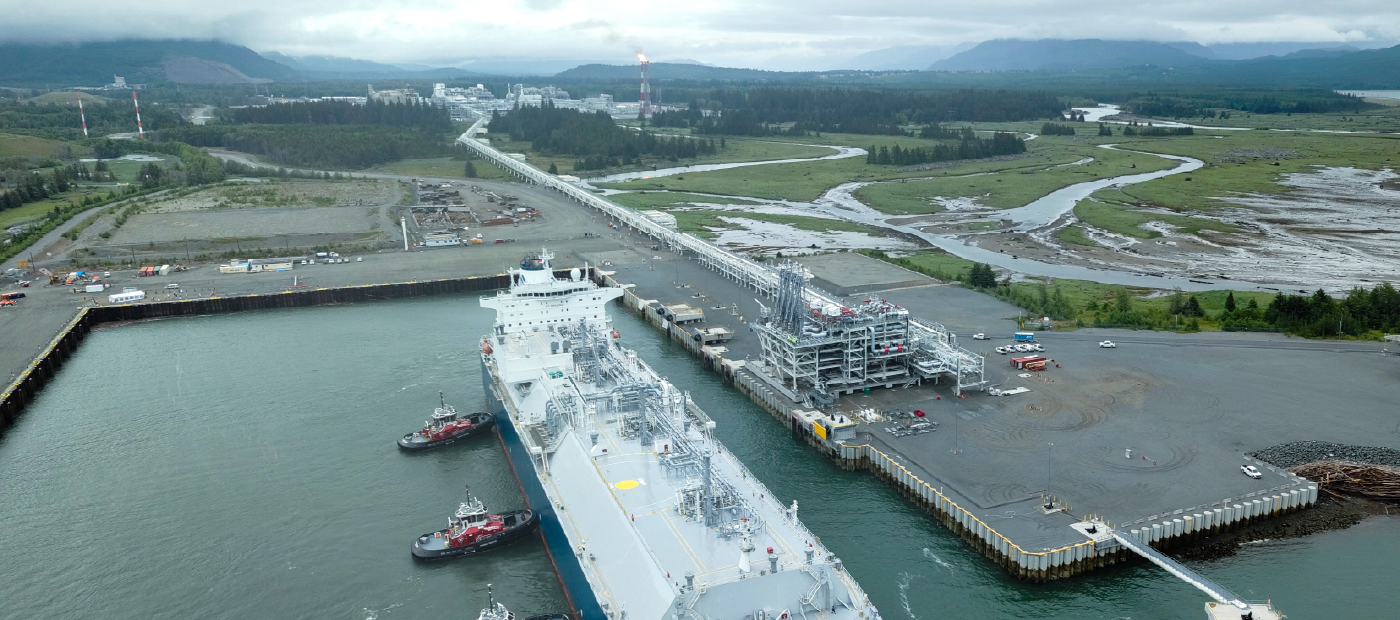
For tradespeople and site supervisors, this means steady shifts on the tools. Phase 2 involves constructing two additional liquefaction trains, a second 255,000-cubic-metre cryogenic storage tank, an additional marine loading berth, and extensive condensate handling systems. When work peaks, the Kitimat terminal will need up to 4,000 construction workers. Another 2,100 positions will open along the Coastal GasLink corridor to build five new compressor stations.
If you were on Phase 1, you already know the scale and the pace out there. If you missed the initial build, you are eyeing one of the biggest industrial projects anywhere in North America. The money is solid and rotations are predictable, but nobody hands you a site badge just because you carry a ticket. You have to know which prime contractors are vetting applicants, which union halls control dispatch rights for specific packages, and who signs the cheques. Landing the best construction jobs in BC on a build like this takes the same deliberate planning you would put into the work itself.
How We Ranked These Job-Search Pathways
Getting hired for Kitimat depends heavily on the door you choose. If you toss a generic resume onto an online job board, it usually sits buried in a pile of thousands. Putting your name on an active union out-of-work board or registering through an Indigenous joint venture partner can put you on a charter flight to Terrace within weeks.
To keep this guide practical for trades on the ground, we weighed each hiring channel against four specific criteria:
- Volume of hires: The total number of open requisitions moving through the channel across the project lifecycle.
- Speed to dispatch: How quickly you move from submitting paperwork to boarding a charter flight.
- Total earning potential: The wage rates, overtime premiums, living accommodations, and travel allowances tied to the role.
- Hiring reliability: How transparent the dispatch process is regarding who gets called and when, so you know where you stand on the list.
We ranked these options from number 6 down to number 1. The earlier entries cover niche routes into specialized contracts, while the final entry is the highest-volume, best-paying channel to get your boots on the ground in Kitimat.
6. Target Specialized Subcontractors for Niche Work Packages
An engineering, procurement, and construction (EPC) joint venture oversees the overall site, but hundreds of trade subcontractors win discrete work packages. Those tenders cover scaffolding, electrical heat tracing, fireproofing, structural mechanical piping, civil earthworks, and camp hospitality services.
Targeting those subcontractors directly gives you an edge because their hiring teams run into sudden staffing shortages. When a contractor lands a secondary package for marine dredging or cryogenic insulation, they rarely keep a 300-person crew sitting on standby. They have to hire fast, well away from the publicity storm burying the prime contractor.
Data from Job Bank shows that industrial non-residential builds trigger distinct pockets of subcontractor demand, from heavy equipment operators to specialized insulators. Companies like Brock Canada Industrial, Dexterra Group, IRWIN’S Safety, and Tacten Industrial handle massive shares of access logistics, site operational support, and ongoing maintenance.
“LNG Canada’s Phase 2 expansion will mean another major construction project in Kitimat, with two new processing trains, additional storage and loading infrastructure and up to 4,000 construction jobs at the site during peak construction.”
Source: The Northern View, LNG Canada Outlines Jobs, Construction Plans for Phase 2 in Kitimat
The 4,000 peak jobs cited in project announcements get divided across hundreds of commercial purchase orders. If you work as a rope-access pipefitter, an industrial insulator holding a Red Seal ticket, or an experienced forklift operator, your quickest route into the facility runs through a subcontractor winning specialized assembly or maintenance tenders.
Track Canadian bidding networks, regional construction bulletins, and trade updates to see who picks up early civil and structural awards. Once a contractor lands a package for tank insulation or pipeline compressor module installation, reach out directly to their Western Canadian regional recruiters. Mentioning the specific award in your cover note shows you understand the project scope instead of just sending generic resumes.
5. Connect with Indigenous Joint Ventures and Regional Employment Initiatives
Phase 2 sits squarely within the traditional territory of the Haisla Nation, beside neighbouring First Nations territories along the Douglas Channel and the pipeline corridor. Five First Nations (Gitga’at, Gitxaała, Haisla, Kitselas, and Kitsumkalum) hold equity options to invest up to $1 billion for majority ownership of the facility’s new 255,000-cubic-metre Phase 2 storage tank.
Because of negotiated impact benefit agreements and joint venture partnerships, prime contractors give first hiring preference to qualified Indigenous workers and local northwest BC residents.
Major contractors team up with Indigenous-owned corporations to staff civil construction, earthmoving, transport, security, and camp services. Operations like Haisla-Ledcor, Gitga’at Park Derochie Industrial, and similar local joint ventures run their own recruitment pools. If you identify as Indigenous or live in Kitimat, Terrace, Prince Rupert, or Kitamaat Village, applying directly through these joint ventures pushes your application ahead of general submissions.
If you live outside those communities, provincial workforce programs can still open doors. The BC Construction Association runs the Skilled Trades Employment Program (STEP), which has spent twenty years placing job seekers with industrial employers across the province.
“Thousands of construction jobs will be created, but the longer-term opportunity is even greater: developing skilled people, strengthening contractors and supply chains, expanding Indigenous economic participation, and building the capacity B.C. needs for the next generation of infrastructure and investment.”
Chris Atchison makes a fair point here: on major BC projects, workforce development and local participation are written straight into the prime contract execution plans from day one.
Understanding how these partnerships operate gives you a distinct edge if you want steady work in the northwest. To see how public funding can back your foundational tickets, check our guide to skilled trades training in Canada.
Drop in or connect with local employment offices in Kitimat or Terrace. They often hear about regional hiring fairs days before postings surface online. And if you hold a journeyperson ticket, state clearly that you want to mentor apprentices. Joint ventures constantly look for experienced tradespeople who can run crews and guide local apprentices on site.
4. Rebuild Your Industrial Resume for FIFO Gatekeepers
Fly-in, fly-out (FIFO) industrial jobs require a different resume setup than commercial builds down in Calgary or Vancouver. Recruiters at major EPC joint ventures spend about twenty seconds on a file during the first pass. They scan straight for project scale, safety tickets, trade history, and proof that you can handle remote shifts.
A compact single-page corporate CV will work against you here. Industrial screeners want concrete job specifications. If you are debating how to fit multiple projects onto the page, read our breakdown on one-page vs two-page resume in Canada so you can lay out your chronology without losing the reader.
When tailoring your resume for LNG Canada Phase 2, stick to these structural basics:
- Lead with safety and trade tickets: Put your trade qualifications, Red Seal endorsement numbers, and current safety tickets directly under your contact details. Do not make a recruiter dig through three pages to confirm fall protection or Confined Space Entry.
- Quantify your project scale: Specify your scope with exact metrics. A line like “piping work on industrial plant” tells the screener almost nothing. Writing “Installed 12-inch stainless cryogenic pipe on 24-train modular gas facility under strict QA/QC non-destructive testing standards” shows you meet LNG site expectations.
- Detail your rotation history: Spell out your past remote camp experience clearly. If you ran a 14/7 schedule at Site C, Kearl Lake, or Phase 1 in Kitimat, list that rotation beside the employer name. Recruiters look for evidence that you handle camp life well and will not walk off site on day six.
- Highlight modular assembly background: A huge portion of Phase 2 involves taking delivery of massive pre-fabricated modules from heavy-transport vessels and setting them on foundations. Field experience with heavy rigging, module hook-ups, and precise alignment carries tremendous weight with site superintendents.
If you are pursuing leadership positions as a general foreperson or project managers, include crew sizes managed, safety track records (such as zero lost-time incidents across 100,000 craft hours), and reporting software. A targeted resume assessment can ensure your industrial credentials clear commercial applicant tracking filters without issue.
Close your header by naming your travel hub. FIFO contracts on major BC builds fly workers from designated marshalling points, typically Calgary, Edmonton, and Vancouver, connecting via direct charters into Northwest Regional Airport Terrace-Kitimat (YXT). Confirming your pickup city upfront removes unnecessary administrative friction for the recruiter.
3. Submit Directly Through Prime Contractor Portals
For Phase 1, LNG Canada selected the JGC Fluor BC LNG Joint Venture (JFJV) as its prime contractor for engineering, procurement, and construction. On September 29, 2026, JGC Fluor BC LNG II JV (JFJV2) received the official Limited Notice to Proceed (LNTP) to execute Phase 2.
JFJV2 coordinates the primary engineering schedules, site preparation, civil structural foundations, and assembly of the two new processing trains. While subcontractors handle defined packages, JFJV2 also hires thousands of workers directly for direct-hire construction scopes, logistics, field engineering, site administration, and project controls.
Direct applications through the JFJV2 career portal are essential if you work in non-union trades, technical specialties, site superintendence, quality inspection, or safety coordination.
The portal screens applicants through strict tracking algorithms. If your uploaded resume misses the exact trade descriptions or equipment competencies listed in the job requisition, the software archives your file before anyone reads it.
A few practical adjustments will help you get past the filters:
Use the exact job titles listed in Canadian National Occupational Classification (NOC) profiles and project postings. If a posting asks for a “Heavy Equipment Operator - Dozer / Excavator Finishing,” avoid shortening your title to “Operator.” Use the complete operational phrasing instead.
Check the JFJV2 portal weekly for early works releases, because megaprojects hire in distinct waves:
- Wave 1: Civil earthmoving, site drainage, piling, foundational concrete, and camp logistics expansion.
- Wave 2: Underground utilities, structural steel erection, module setting, heavy crane operations.
- Wave 3: Mechanical piping, vessel installation, cryogenic systems, electrical heat tracing.
- Wave 4: Instrumentation, electrical pull, pre-commissioning, testing, and system punch-listing.
Applying for Wave 3 positions during the civil earthmoving phase is premature. Match the timing of your application to the actual physical progress on the Kitimat site footprint.
When you secure an employment package from a prime contractor, read the fine print on travel allowances, shift premiums, and per diems. If you are moving between contractors or weighing a formal offer, our comparison of a job offer letter vs employment contract will help protect your rights before you sign.
2. Secure All Safety Tickets and Pre-Access Clearances in Advance
Safety qualifications on an industrial gas liquefaction facility are mandatory. Nobody in Kitimat is paying you to sit through basic classroom safety training on company time. Contractors expect tradespeople to arrive on site project-ready, holding valid, current credentials that British Columbia industrial employers accept.
Putting off renewals until an interviewer phones is an easy way to lose a spot. If a general foreperson requests twenty welders or thirty ironworkers for next Tuesday, the hiring desk simply takes the first twenty applicants with fully verified pre-access clearance packages.
Under training standards set across the Canadian energy sector, major industrial sites require the same core safety certifications:
- CSTS 2020 (Construction Safety Training System): The Alberta Construction Safety Association (ACSA) runs this online, and British Columbia recognizes it as the universal baseline for stepping onto an industrial site.
- WHMIS 2015 (GHS): Needs to be up to date and verified.
- Fall Protection (Comprehensive Industrial): Make sure your ticket includes a practical hands-on evaluation, because BC industrial sites follow WorkSafeBC Part 11 rules that unproctored online courses do not satisfy.
- Confined Space Entry and Monitor: Mandatory for anyone entering tanks, vessels, trenches, or modular crawl spaces.
- H2S Alive (Energy Safety Canada): Even though LNG operations focus primarily on methane, pre-commissioning, tie-ins, and shared utility corridors still require certified sour gas awareness.
- Aerial Work Platform (AWP) / Elevated Work Platform (EWP): Required for ironworkers, electricians, scaffolders, and insulators doing work from heights.
You must also pass alcohol and drug screening under the Canadian Model for Providing a Safe Workplace. Megaprojects run this pre-access testing inside a tight window before you travel to site. A positive test or a failed oral fluid swab during site orientation brings an immediate site ban, usually lasting six months to a year.
Store clean digital copies of every ticket in a dedicated cloud folder on your phone. Name the files clearly (such as Smith_John_RedSeal_Welder.pdf and Smith_John_CSTS2020.pdf). When a recruiter calls asking if you can fly out Monday, sending your full credential packet within fifteen minutes keeps you moving while other trades search through desk drawers.
1. Register with Affiliated Building Trades Unions for Priority Dispatch
Project labour agreements govern hiring on industrial sites of this scale. Phase 1 set up detailed dispatch protocols, and Phase 2 uses the same framework to maintain an orderly supply of skilled trades. When JFJV2 and its tier-one mechanical or electrical contractors need 500 pipefitters, 300 ironworkers, or 400 industrial electricians, they send formal dispatch requests straight to the union halls. Securing membership through an affiliated local under the BC Building Trades umbrella puts you first in line for those calls.
The main locals dispatching trades to Kitimat include:
- UA Local 170 (Plumbers, Steamfitters, and Pipefitters): They handle process piping, cryogenic loops, and high-pressure steam distribution lines across the site.
- Ironworkers Local 97: Structural steel erection, module rigging, crane assembly, and heavy industrial rebar work fall under their dispatch.
- IBEW Local 993: This local covers northern BC, supplying crews for industrial electrical installations, high-voltage substations, and heat tracing.
- IUOE Local 115 (International Union of Operating Engineers): They dispatch heavy crane operators, excavator operators, and crews running earthmoving machinery on site.
- Millwrights Local 2736: These trades handle turbine alignments, compressor installations, pump sets, and mechanical drive systems.
- Boilermakers Lodge 359: Members build storage tanks, assemble pressure vessels, and erect high-pressure boilers.
If you already belong to one of these BC locals, make sure your dues are up to date and your name is active on the out-of-work list. For tradespeople based in Alberta, Saskatchewan, or Ontario, talk to your business manager about getting a travel card. During peak construction phases, BC locals regularly exhaust their local lists and draw heavily on Canadian travel cards to fill site quotas.
Working under a union collective agreement on Phase 2 carries tangible camp and compensation perks:
- Cedar Valley Lodge accommodation: Collective agreements guarantee single-occupancy rooms with private ensuite bathrooms, high-speed Wi-Fi, gym facilities, and full cafeteria catering inside the 4,500-bed village.
- Defined shift rotations and travel allowances: Schedules like 14 days on, 7 days off, or 21 days on, 7 days off, come with paid travel time and employer-funded charter flights from designated transit hubs.
- Comprehensive benefit and pension accrual: Every hour on the tools pays directly into your extended health plan and your defined-benefit or defined-contribution pension.
- Overtime protections: Overtime starts after eight hours in a day, while weekend shifts and statutory holidays pay double time, which adds up fast on long hitches.
If you end up joining the site through a subcontractor or a temporary staffing agency instead, review equal pay rules for temporary workers to verify your pay package matches industry standards.
Chris Cooper observed that this megaproject ultimately runs on human labour. Union dispatch halls are the direct pipeline converting corporate capital into steady paycheques for Canadian trades. If you want enforceable camp standards, predictable rotations, and clear grievance procedures, your trade union remains your most reliable route to Kitimat.
What Life at Cedar Valley Lodge Actually Looks Like
Taking a fly-in, fly-out rotation in northern British Columbia requires serious mental preparation. The paycheques are substantial and the mountain vistas are real, yet the day-to-day work means twelve-hour shifts in unpredictable coastal weather followed by evenings in a self-contained village.
Cedar Valley Lodge was built specifically for the Kitimat terminal workforce. Unlike older camps from past industrial booms, planners designed it with mental health and worker retention in mind.
You get a private room with its own bathroom, television, and internet connection. The lodge has multiple dining halls, medical clinics, movie rooms, weight rooms, running tracks, and recreation courts.
The daily routine demands discipline:
- 05:00 - Wake up and breakfast: Head to the main dining complex, pack your shift lunch along the food lines, and grab your personal protective equipment.
- 06:00 - Transportation and toolbox meetings: Crew buses shuttle workers to the site, where the shift opens with mandatory safety briefings and job hazard analyses (JHAs).
- 07:00 to 17:30 - Active shift on the tools: Cold rain, coastal wind, and heavy snow are standard during northwest BC winters. Quality weatherproof outerwear and heated layers are essential.
- 18:00 - Return to camp and decontamination: Workers strip off muddy boots and outer coveralls before stepping into living areas.
- 19:00 to 21:00 - Personal time and communication: Hit the gym, call family, and prep gear for tomorrow morning.
Camp life gets isolating over a 14-day or 21-day stretch. The workers who do best on megaprojects stay focused on clear financial goals, prioritize sleep, keep up regular workouts, and dodge camp gossip. Kitimat’s rain will wear you down if you show up unprepared. Investing in top-quality waterproof footwear, extra thermal work socks, and disciplined personal habits pays off over a multi-month tour.
Understanding the Timeline: When Hiring Peaks
Timing your application matters here. Even though the final investment decision arrived in late September 2026, megaproject builds roll out over a multi-year schedule.
Through late 2026 and early 2027, the initial push centres on civil works, ground preparation, module foundations, and utility tie-ins. Right now, contractors want:
- Heavy equipment operators (dozers, excavators, graders)
- Surveyors and civil engineering technologists
- Camp hospitality, catering, and security staff
- Environmental monitors and safety coordinators
The heavier trade hiring lands once modules start showing up by sea. As structural steel, piping racks, and cryogenic compressor packages reach terminal berths, site needs shift toward:
- Red Seal pipefitters and pressure welders
- Ironworkers, riggers, and crane operators
- Boilermakers and structural mechanical fitters
- Industrial electricians and instrumentation technicians
- Scaffolders and cryogenic insulation technicians
Track quarterly labour market outlooks and job opening projections on WorkBC to keep tabs on demand. Once mechanical equipment clears port logistics, you can bet site hiring desks are getting ready to run large dispatch calls.
Steps to Take This Week
If you want a spot on the LNG Canada Phase 2 expansion, treat getting ready like an upcoming turnaround. Waiting around for a general job board to spit out a posting will only leave you behind the pack.
Get these five tasks moving right away:
- Verify your credentials: Pull out your trade tickets, driver’s licence, and safety certificates to check the expiry dates. Book your renewal courses immediately for anything lapsing soon.
- Contact your business manager or dispatcher: Members of UA 170, Ironworkers 97, IBEW 993, IUOE 115, or neighbouring locals should call their dispatch hall now to put their names down for travel cards into Kitimat.
- Register your profile on JFJV2 portals: Submit an industrial resume focused on field qualifications directly into the official JGC Fluor joint venture portal, making sure your relevant heavy-industry history sits right up front.
- Reach out to regional joint venture recruiters: Look up company careers pages for Indigenous partnerships and regional contractors working along the Douglas Channel corridor.
- Get your travel logistics organized: Check that your government photo ID matches the full legal name on your trade tickets word for word, because minor discrepancies cause headaches at charter flight check-ins.
Phase 2 brings billions of dollars in capital spending and thousands of well-paid industrial positions to northern BC. Getting onto site comes down to having your tickets renewed, your portal profiles active, and your dispatchers notified well before flights start boarding.
Key takeaways
5
- LNG Canada Phase 2 in Kitimat requires up to 4,000 construction workers at peak, alongside 2,100 positions on the Coastal GasLink corridor.
- Subcontractors for niche packages hire directly for specialized scopes such as scaffolding, fireproofing, earthworks, and insulation.
- Indigenous joint ventures and regional partnerships provide hiring priority to local northwest British Columbia residents and qualified Indigenous workers.
- Prime contractor hiring through JGC Fluor BC LNG II JV occurs across four distinct project waves matching site progress.
- Affiliated building trades union halls control priority dispatch protocols for major trade packages, offering travel allowances and Cedar Valley Lodge accommodations.
Frequently asked questions
5
How many construction workers are needed for LNG Canada Phase 2?
LNG Canada Phase 2 requires up to 4,000 construction workers at peak terminal construction in Kitimat. An additional 2,100 positions will open along the Coastal GasLink corridor to construct five new compressor stations. Work packages cover civil earthmoving, structural steel erection, marine loading infrastructure, a second cryogenic storage tank, and two additional liquefaction trains. Workforce numbers expand in stages as physical progress transitions from foundational civil preparation to modular mechanical assembly.
Who holds dispatch rights for LNG Canada Phase 2?
Affiliated building trades unions under the BC Building Trades umbrella supply skilled labour to prime contractors for major site scopes. UA Local 170 supplies pipefitters and steamfitters, while Ironworkers Local 97 dispatches structural steel and rigging crews. IBEW Local 993 covers industrial electrical work, IUOE Local 115 provides heavy equipment operators, Millwrights Local 2736 handles machinery alignments, and Boilermakers Lodge 359 erects pressure vessels and storage tanks.
What safety tickets are required for construction work on the Kitimat site?
Mandatory safety certifications for LNG Canada Phase 2 include CSTS 2020, WHMIS 2015, industrial Fall Protection with a practical hands-on evaluation, and Confined Space Entry and Monitor credentials. Industrial trades also require H2S Alive certification alongside Aerial Work Platform tickets for work from heights. Pre-access requirements include alcohol and drug screening under the Canadian Model for Providing a Safe Workplace within a narrow window before departure. Employers expect tradespeople to arrive with valid, current certificates rather than attending basic training on site.
Who is the prime contractor for LNG Canada Phase 2?
JGC Fluor BC LNG II JV is the prime contractor executing engineering, procurement, and construction for Phase 2. The joint venture received the official Limited Notice to Proceed on September 29, 2026. JGC Fluor BC LNG II JV oversees site preparation, foundations, and processing train assembly while directly hiring for administrative, technical, logistics, and direct-hire construction positions. Applicants submit qualifications directly through the prime contractor career portal to be considered for these direct-hire roles.
What living accommodations are provided to workers at LNG Canada Phase 2?
Workers on the Kitimat site stay at Cedar Valley Lodge, a dedicated 4,500-bed village designed for the terminal workforce. Accommodations include private rooms with personal ensuite bathrooms, televisions, and high-speed internet connections. The facility features dining halls, medical clinics, fitness centres, running tracks, and recreation courts. Collective agreements guarantee these room standards along with cafeteria catering, paid travel allowances, and scheduled charter flights connecting to Terrace from marshalling hubs in Calgary, Edmonton, and Vancouver.
Upcoming career fairs
Career fairs in Vancouver
Listings are gathered each month from public event pages. Confirm the details with the organizer before you go.
More From the Blog
Express Entry Skilled Trades Draw: What 3,500 ITAs Mean for Canadian Workers
IRCC invited 3,500 candidates in the latest Express Entry skilled trades draw at CRS 476. Here is what the selection means for Canadian...
Read the articleNainly and 10 AI Job Search Tools Compared: Where Each One Fits in 2026
Looking at AI job search tools compared side by side? See how 10 platforms and Nainly differ on outreach, ATS tailoring, pricing models,...
Read the articleCSIS Recruitment Changes: How to Enter Intelligence Careers in Canada
Explore CSIS recruitment changes and learn how to enter intelligence careers in Canada with our in-depth guide on security clearances and...
Read the articleReady to Launch Your Career Marketing Campaign?
Book a strategy call and see how Nainly can transform your job search.
Schedule a CallFree consultation. No commitment.